Is Organic Food Better for Weight Loss?

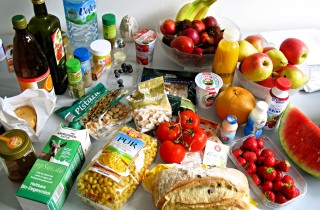
There are numerous arguments over whether organic produce is better than forced grown produce and more specifically whether is is better for weight loss. Organic food is produced under strict standards designed to limit chemical and pesticide enhancement. It is indeed what our forefathers would have been used to.

grow your own food
Image Credit: Imperial War Museum

For example, during World War II people were growing their own vegetables and it is generally accepted that our level of health was better then, than nowadays. Surprising isn’t it? Considering food was rationed, but that brought about more people growing their own.

In the 1980s the Government findings from allergy tests carried out found that many patients were sensitive to certain foods and suffered from pesticide, herbicide and fungicide exposure and the resulting metabolic effects.

So is there any weight loss benefit from following an organic diet? It has been found that non organic crops are usually treated with pesticides (organophosphates containing neurotoxins) which can cause damage to the human body.

There are other studies that conclude that no benefit is gained by organic produce over non-organic. Yet the Prince of Wales cannot see why people do not generally see why organic is not only better for our health, but better for the environment also.

Alarming Weight Loss Statistics: UK Population Increasingly Obese

It is predicted using Weight Loss Statistics that ½ the UK population will be clinically obese within 20 years. Around 60% of adults and 20% of school children in the EU are overweight or obese. This represents a massive increase in the last decade and it is getting worse.

Being overweight or obese is having an excess ratio of body fat to body mass, commonly referred by BMI calculated (body mass index). A BMI of 25 is considered as healthy, whilst 25-30 is overweight and above 30 is classified as clinically obese.

Research in the USA has shown that around 40% of cancers are attributed to obesity, largely the result of excesses of processed foods, sugar being a prime culprit.

Obesity brings on ageing and abdominal obesity (referred to as “central obesity”) and is a precursor to heart failure, high blood pressure, raised cholesterol, stroke and sleep problems etc.,

Reducing your weight is never easy, most weight loss diets fail through lack of determination and poor self-management. An organised approach to weight loss is needed, one based on motivation, support and the correct balance of foods.

Over-eating is the prime aggressor of any weight loss programme and becoming overweight is caused by a conflicting situation of pleasure gained by eating more than necessary and only consuming what is required for energy on a daily basis.

Regardless of however forceful commercial advertising implies belief in its method, the only way weight loss can be effective is by habit change to a reduction of food intake.

Facts by nation

map_obesity
Image Credit: BMA.org

England

  • just over a quarter of adults in England are obese
  • 3 out of 10 children aged 2 to 15 in England are overweight or obese
  • by 2050, it is estimated that half of the population in England will be obese

Northern Ireland

  • 1 out of 5 adults is classified as obese
  • obesity and related conditions account for 20% of the health budget in Northern Ireland

BMA Northern Ireland and the Irish Medical Organisation have produced a joint paper on obesity

Scotland

  • two thirds of adults are overweight or obese
  • one third of children are overweight or obese
  • the cost of obesity to NHS Scotland could reach £3 billion by 2030

Wales

  • more than half of the adult population is overweight or obese
  • 1 out of 5 children is classified as obese – the highest rate of any UK nation
  • more than a third of children are either obese or overweight

Source:BMA.org